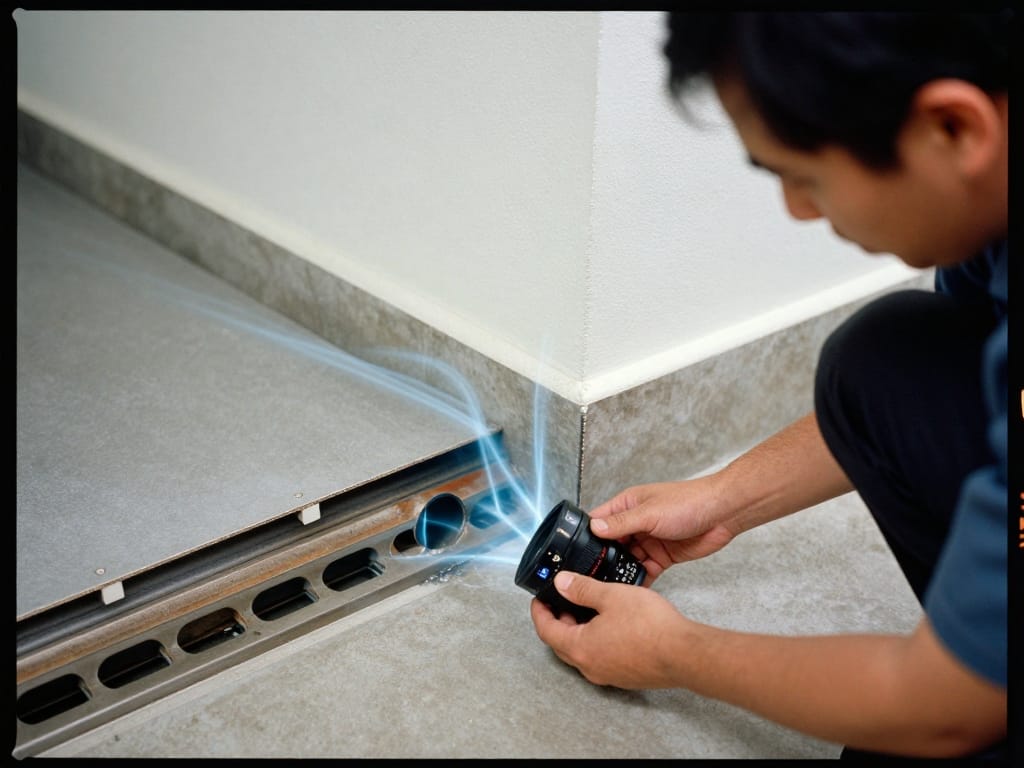
Recognizing performance degradation in PVC windows is key to keeping your facilities in top shape. Though durable, PVC windows can degrade over time due to weather, UV radiation, and mechanical stress. This can cause warping, cracking, and seal failure. Catching these issues early saves repair costs and avoids bigger problems.
Check windows during routine inspections, preferably twice a year. Focus on windows in sunny spots or those used often. Look for discoloration, brittleness, or gaps around frames—signs of PVC degradation.
To tackle PVC window degradation, mix preventative maintenance with timely repairs. Clean windows regularly to remove dirt and debris. Use PVC-safe cleaners to prevent chemical damage. Apply a UV protectant if you see early degradation signs. For serious issues like cracked frames or failed seals, replacement may be needed.
Avoid common mistakes like skipping inspections and using harsh chemicals. These can speed up degradation, leading to more frequent and expensive replacements. Don’t ignore small cracks, as they can let water in, causing mold and structural damage.
In short, managing PVC window degradation proactively is crucial. Ignoring it can lead to higher maintenance costs, weakened building integrity, and health risks from mold. Use this quick guide to professional window installation plus a quick checklist you can follow on site.. Keep an eye on your windows and act fast when you see trouble signs.
Maintaining building integrity and comfort requires understanding performance degradation patterns in PVC windows. These windows offer key benefits: durability, low maintenance, and energy efficiency. They're widely used in homes and commercial buildings, making them essential in modern construction.
Routine building maintenance should include annual inspections to address performance degradation. Early issue detection prevents severe problems. Check for wear signs like cracks, warping, or discoloration. Inspect seals for integrity, ensuring they're not brittle or compromised.
Neglecting inspections leads to unnoticed water infiltration, mold growth, and structural damage. This oversight increases energy costs as windows lose efficiency. In severe cases, replacement becomes necessary, which is costly and time-consuming.
Proper PVC window maintenance avoids higher operational costs and extends window lifespan. It's about functionality and ensuring a safe, comfortable environment. Regular, thorough inspections and timely repairs are crucial.
Inspect PVC windows regularly to spot early signs of performance decline. Aim for twice a year, spring and fall, to prep for summer and winter extremes. During checks, look for cracks, warping, or discoloration, which signal material wear. Also, examine seals and gaskets for wear or damage. Early detection through regular checks can prevent major issues and extend window life.
Weather significantly impacts PVC windows, speeding up degradation. Extreme temperatures cause PVC to expand and contract, leading to stress fractures over time. Rain and humidity also harm seals and frames. After severe weather, assess windows for damage. Use window coverings during storms to reduce weather-related degradation.
Seal integrity is crucial for PVC window performance. Damaged seals cause drafts, moisture infiltration, and higher energy costs. Regularly check seals for gaps, cracks, or peeling. Replace compromised seals promptly to maintain window efficiency and prevent further damage to the frame and structure.
Smooth operation is key for PVC window functionality and longevity. Ensure windows open and close easily without sticking or needing excessive force. Lubricate moving parts if needed. Difficulty in operation may indicate misalignment or hardware wear, which should be fixed to prevent further degradation.
Visible cracks in PVC windows indicate performance decline. Cracks can result from impact damage, manufacturing defects, or harsh weather exposure. Inspect frames and sashes for cracks, especially in corners and edges where stress is higher. Repair or replace cracks promptly to prevent water infiltration and further structural damage.
Spotting performance issues in PVC windows is key for a safe workplace. Look out for warping, cracking, and discoloration. Fix these signs fast to avoid more damage and keep your windows lasting longer.
Regular checks are a must, especially after bad weather or big temperature changes. During these checks, watch for cracks or warping in the window frame. Also, note any discoloration, which often means UV damage.
To tackle these problems, first see how bad the damage is. Small cracks can usually be fixed with PVC glue, but bad warping might need a pro. Act fast; ignoring these signs can cause bigger damage, higher repair costs, and safety risks.
Don’t wait to fix things, thinking the problem is small. Delaying can let water in, cause mold, and weaken the structure. In bad cases, you might need to replace the whole window, which takes time and money.
Keep an eye on PVC window signs and fix them right away to save money and keep your workspace professional.
Spotting performance issues in PVC windows is vital for HR pros in companies with over 200 staff. Problems like hard-to-open windows and poor insulation affect employee comfort and work efficiency. Quick fixes prevent bigger issues later.
Address these issues during regular facility checks or when staff report discomfort. It’s not just about fixing windows; it’s about keeping a productive workplace. Facility teams should routinely inspect for wear or operation difficulties. Quick fixes like lubricating hinges or replacing seals can help.
Common errors include ignoring early signs of wear or delaying maintenance. This can cause serious problems like water leaks, higher energy bills from poor insulation, and structural damage. Using the wrong lubricants or sealing windows improperly can make things worse, leading to higher repair costs and safety risks.
Keeping an eye on PVC window performance ensures happy employees and a safe, efficient workplace. Regular, well-done maintenance avoids costly repairs and keeps the work environment comfortable.
Knowing the signs of PVC window wear is key to keeping your facilities running smoothly. When PVC windows start to show wear, it’s more than just a cosmetic problem. It can cause energy waste, higher maintenance costs, and safety risks. Catching these issues early saves you time and money.
Check for PVC window wear during regular facility checks, especially in older buildings. Look for warping, cracking, and discoloration. These problems often come from extreme temperatures, UV rays, and physical damage.
To handle these issues, use a mix of prevention and quick fixes. Clean and inspect the windows regularly to spot early wear signs. Fix or replace damaged parts right away. For example, warped frames may need adjustment or replacement to work properly.
Don’t ignore small cracks, thinking they’re not important. They can quickly get worse, causing more damage and higher repair costs. Also, avoid using poor-quality materials for repairs. They won’t last as long or perform as well as the original PVC, leading to more problems.
Ignoring wear can lead to higher maintenance costs and weaker building structure. Worn windows can make your HVAC system work harder, increasing energy use and operational costs. This also affects your company’s environmental impact.
Long-term UV exposure harms PVC windows, causing performance issues over time. This is important because PVC windows are popular in commercial buildings for their durability and low maintenance. But constant UV rays make the material brittle, discolored, and prone to cracking.
Address this problem during regular maintenance checks, especially in sunny areas. Schedule annual inspections to check PVC windows. Early detection of UV damage allows for steps to prevent further harm.
To tackle UV degradation, apply UV-resistant coatings to the windows. These coatings protect the PVC material from direct UV impact. Also, keep windows clean to avoid dirt speeding up degradation.
A common error is skipping routine inspections, thinking PVC windows need no maintenance. This can lead to severe damage and costly replacements instead of simple fixes. Another mistake is using weak coatings that don’t offer enough UV protection, causing ongoing degradation.
Ignoring UV degradation leads to high costs. Damaged windows need replacement, and poor insulation raises energy bills. Plus, damaged windows hurt the building’s professional look.
In short, managing UV exposure on PVC windows with regular checks and proper coatings keeps them performing well and saves money.
Temperature changes greatly affect PVC window performance and lifespan. This is important in offices where a neat space matters. Knowing this helps take steps to keep windows working well and lasting longer.
PVC windows expand when hot and shrink when cold. Over time, this can cause warping or cracks. This is a big deal in places with big temperature swings or poor insulation.
To handle this, check windows regularly, especially before seasons change. Make sure they're sealed well and have good airflow. Also, use top-quality PVC that can handle temperature changes.
Common errors include skipping maintenance, using cheap materials, and not planning for temperature changes. These can lead to higher repair costs, lower energy efficiency, and shorter window life. In bad cases, window failure can be unsafe and costly.
In short, taking action on temperature effects on PVC windows saves companies time and money. Regular checks, good materials, and smart design keep windows working their best.
Moisture intrusion in PVC windows can seriously degrade performance over time. When moisture seeps into the frame, it causes problems that weaken both structure and function. This is especially critical in high humidity or rainy environments.
Tackle this issue proactively in harsh weather regions. Regular inspections, ideally twice a year, are essential. Watch for moisture signs like discoloration, warping, or mold. These indicate frame damage from moisture.
To address moisture intrusion, follow these steps. First, check window seals and replace worn ones. Use top-quality sealants for PVC. Second, improve drainage around the window to prevent water pooling. This may involve adjusting the sill angle or fixing gutters and downspouts.
Avoid common mistakes like ignoring early moisture signs and using poor sealants. These can lead to severe issues like frame rot, safety risks, and higher energy costs due to inadequate insulation.
Unaddressed moisture intrusion leads to high costs. Expect increased maintenance, higher energy bills, and eventual window replacement. Quick, effective action saves time and money.
Regular use and mechanical stress significantly degrade PVC windows, particularly in corporate settings where frequent opening and closing occur. Recognizing this, HR professionals should push for timely maintenance to extend office infrastructure lifespan and cut unexpected costs.
Include this in annual facility audits or renovation plans. Practically, check window mechanisms for wear signs like difficulty in opening or closing, and inspect seals for cracks or gaps.
In practice, this often means a simple visual inspection, followed by lubricating moving parts and replacing worn components. It’s about preventing future issues, not just fixing current ones.
A common mistake is ignoring minor issues, like a slightly harder-to-open window, thinking it’s not worth the effort. However, these small problems can lead to major failures, such as seized mechanisms or broken seals, increasing repair costs and causing energy inefficiency and employee discomfort.
Neglecting maintenance leads to higher costs. Expect increased energy bills from inefficient windows, potential water damage from broken seals, and emergency repair expenses. Also, the office space’s aesthetic appeal drops, affecting employee morale and company image.
Incorporate regular checks and timely repairs into your facility management practices. This ensures a comfortable working environment and shows a commitment to maintaining a professional and efficient workplace.
PVC windows are common in modern buildings, especially in large offices. They need to be efficient, durable, and look good. But PVC windows can wear out over time, causing drafts, leaks, and structural problems. This isn’t just annoying—it’s a safety risk and can cost you money. So, why does this matter? Proper maintenance can save you money and keep your workplace safe and comfortable.
Check your PVC windows twice a year—spring and fall. These times are best because you avoid extreme winter or summer weather, making it easier to spot problems.
Start by looking at the frames and seals. Check for cracks, warping, or wear. Clean them well, removing dirt or debris. Use mild detergent and warm water—nothing harsh that could damage the material. Small cracks can often be fixed with PVC repair kits from hardware stores. For bigger issues, consider replacing the window.
Common mistakes include ignoring small cracks, which can lead to bigger problems like water infiltration and mold. Another mistake is using harsh cleaning products, which can degrade PVC faster.
If not done correctly, you’ll face higher maintenance costs, safety issues, and a less pleasant work environment. So, take the time to do it right. Your employees and budget will appreciate it.
Maintaining PVC windows regularly is key to avoiding performance issues and extending their life. Clean, well-kept PVC windows save energy, look good, and stay strong. Quick fixes now mean lower costs later, avoiding early replacements.
Do maintenance at least twice a year, spring and fall. This timing lets you clean and check windows before summer and winter hit. Here’s what to do:
First, wash windows with mild soap and a soft cloth to remove dirt. Focus on seals and corners where debris collects.
Second, check window frames for cracks, warping, or color changes. These might signal bigger problems.
Third, use a silicone lubricant on hinges and locks to keep them working smoothly.
Common errors include skipping these steps, causing dirt buildup that scratches windows during cleaning, or ignoring early damage signs, leading to bigger, costlier repairs later.
Incorrect or missed maintenance can cause serious issues. Poorly maintained PVC windows can raise energy bills due to drafts, weaken security, and eventually need full replacements, which take time and money. Regular, correct maintenance ensures your PVC windows last longer and work better.
Knowing when to upgrade PVC window parts is key for keeping your place running smoothly and comfy. Over time, these windows can warp, crack, or lose their seals, messing up insulation and jacking up energy bills. Spotting when to make upgrades is important. Look out for drafts, hard-to-open windows, and visible wear as signs you need a check-up.
To tackle these problems, be proactive. Set up regular checks, maybe twice a year, to catch early signs of wear. When you need upgrades, start with seals and hardware. Seals often go bad first from weather. Swapping them out can really boost window performance. Then, look at the hardware like locks and hinges, which can wear out from use.
Don’t wait until windows are totally shot to upgrade. That costs more and can damage the building. Also, avoid cheap, non-fitting replacements. They won’t work right and can cause more problems later.
Badly done upgrades can lead to poorly fitted parts, ongoing issues, and safety risks. Use OEM parts and, if you can, hire pros to install them right. This keeps windows lasting longer and the building looking good.
Here's the deal with PVC windows: they’re durable but not invincible. Over time, they degrade, leading to drafts, increased energy costs, and structural issues. Regular professional inspections are essential.
Schedule these checks at least once a year, especially in harsh weather conditions. Experts look for cracks, warping, and moisture ingress during inspections.
Skipping inspections leads to small issues becoming big problems. A tiny crack can let in moisture, causing mold and wood rot. Increased drafts make your HVAC system work harder, raising energy costs. In severe cases, window failure poses safety risks.
Avoid DIY inspections unless trained. Don’t delay repairs. “We’ll fix it next year” often becomes “we’ll fix it next budget cycle.”
Schedule those inspections. It’s about efficiency, safety, and long-term savings.
Watching PVC windows degrade isn't just a technical issue; it's a must-do for HR pros in big companies. When PVC windows start to go bad, it's not just about looks. It means higher maintenance costs, unhappy employees, and safety risks. Knowing when and how to fix these problems is key.
In real life, PVC windows often warp, crack, or fade after years of use, especially in places with big temperature changes or lots of sun. To handle this, companies need regular checks and quick fixes or replacements. Many firms ignore small signs of wear, thinking it's not urgent. But this can lead to bigger issues like water leaks, which damage interiors and cause mold.
If you don't act, costs can soar. You're not just paying for new windows but also for damage to walls, floors, and electronics. Plus, a bad work environment can lower employee morale and productivity. It's about keeping a safe, comfy, and professional space for your team.
So, monitoring PVC window performance is more than maintenance; it's investing in your company's efficiency and employee happiness. Regular checks and proactive steps can save money and avoid disruptions.
Spotting performance drops in PVC windows is key for a safe, efficient workplace. PVC windows last long but can wear out, especially with big temperature changes and outdoor exposure. Regular checks and quick fixes stop small problems from becoming big, expensive ones.
Check windows during regular facility inspections, especially in busy or exposed areas. Have skilled maintenance folks look for cracks, warping, or failing seals.
Don’t skip these checks, thinking PVC windows need no care, or try DIY fixes that might harm them more. Ignoring issues can let water in, waste energy, and weaken the structure, risking safety and costing money.
Looking ahead, better PVC and maintenance tech mean longer-lasting windows that resist the elements more. Keeping up with these advances gives you an edge in managing facilities, keeping your assets and employees safe longer.
In short, managing PVC windows well isn’t just about looks. It’s about keeping your facility strong and running smoothly.
Thermal insulation is the decrease of warmth transfer (i. e., the transfer of thermal power between things of varying temperature) in between objects in thermal contact or in variety of radiative influence. Thermal insulation can be achieved with specially engineered approaches or processes, in addition to with ideal object forms and materials. Heat circulation is an inevitable effect of call in between items of different temperature. Thermal insulation offers a region of insulation in which thermal conduction is decreased, producing a thermal break or thermal obstacle, or thermal radiation is shown rather than absorbed by the lower-temperature body. The shielding capacity of a material is measured as the inverse of thermal conductivity (k). Reduced thermal conductivity amounts high insulating ability (resistance value). In thermal engineering, other important properties of insulating materials are item density (ρ& rho;-RRB- and details heat ability (c).
.In Belgium, the French Community (French: Communauté fran & ccedil; aise (de Belgique), articulated [kÉâ€Ã‰â€ mynote fÊÂɑ̃ʠɑ ̃ s É› Ë z dÊ’É™ b É› l Ê’ ik], CFB) describes one of the three constituent constitutional linguistic communities. Given that 2011, the French minority has actually used the name Wallonia-Brussels Federation (French: Fédération Wallonie-Bruxelles, articulated [fedeÊÂɑʠɑ sj Ɇ̃ wal Ɇni bÊÂÊ ysɛɛ l], FWB), which is debatable because its name in the Belgian Constitution has actually not altered and because it is seen as a political statement. The name "French Neighborhood" refers to the French language and not to France. Thus, the French minority of Belgium is often provided in English as "the French-speaking Community of Belgium" for clarity, in analogy to the German-speaking Neighborhood of Belgium. The Community has its own parliament, federal government, and administration. It and its precursor entity have actually utilized the flag of Wallonia considering that 1975.
.